This is probably the question I get asked more than any other. And honestly, it’s a great question to ask before you start treatment, not after. The answer isn’t the same for everyone, and anyone who tells you one is always better than the other isn’t giving you the full picture.
I’m Dr. Clay Sims, a board-certified orthodontist and Diamond Invisalign Provider in Pensacola. As a Diamond Provider, I treat hundreds of patients with Invisalign every year and have treated thousands over my 15 years of practice. I also still do a lot of traditional braces. I’m not in the business of pushing one over the other. What I care about is which one is actually right for your teeth, your bite, and your life.
So let me walk you through how I think about it.
How Far Invisalign Has Come
When Invisalign first came out, it had real limitations. It worked well for mild cases but couldn’t handle much complexity. That’s not the case anymore.
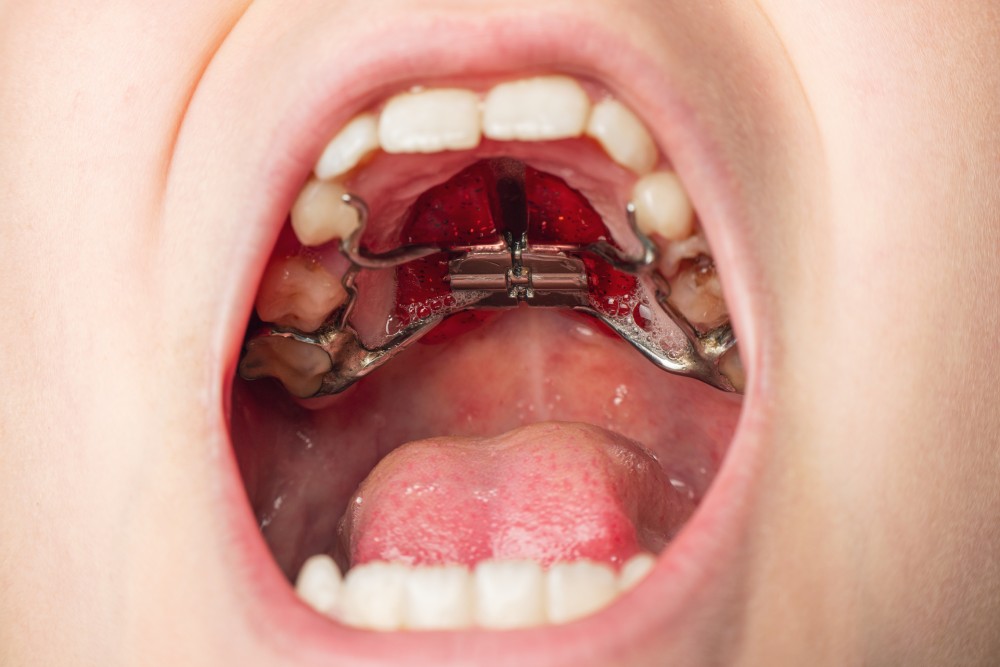
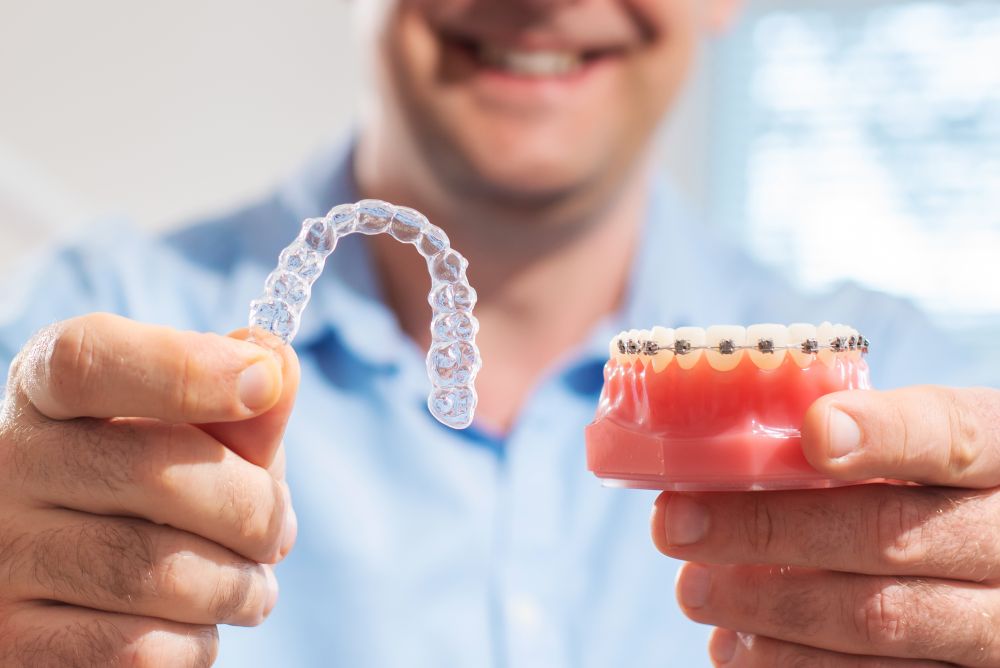
Invisalign today can do almost everything traditional braces can do. At our practice we use it for Phase 1 early treatment in kids, full treatment in teens and adults, severe crowding, bite issues, cosmetic cases, and we combine it with expanders, appliances, and even braces in certain situations. The technology has genuinely caught up, and as someone who has been using it for 15 years and treats at the Diamond level, I’ve seen what it can and can’t do firsthand.
That said, braces still have their place. Here’s how I break it down.
When Invisalign Is Usually the Better Choice
You’re an adult or older teen who wants discretion. This is Invisalign’s most obvious strength. The aligners are virtually invisible and most people around you won’t notice you’re in treatment. For professionals, adults who never got treatment as kids, or high schoolers who are self-conscious, this matters a lot.
Oral hygiene is a priority. With braces, brushing and flossing around brackets and wires takes real effort and commitment. Invisalign aligners come out to eat, brush, and floss, so your hygiene routine stays essentially the same. For patients who are already diligent about their teeth, this is a genuine advantage.
You want fewer emergency visits. Poking wires, loose brackets, broken appliances — these are part of life with traditional braces and they mean unplanned trips to the office. With Invisalign, that’s largely not an issue. Appointments tend to be quicker and less frequent.
Your case is moderate to complex but you’re committed to wearing them. This is the key word: committed. Invisalign works when you wear it. The aligners need to be in your mouth 20 to 22 hours a day. Take them out to eat, brush, and floss — that’s it. If you can do that consistently, Invisalign can handle a lot more than people think.
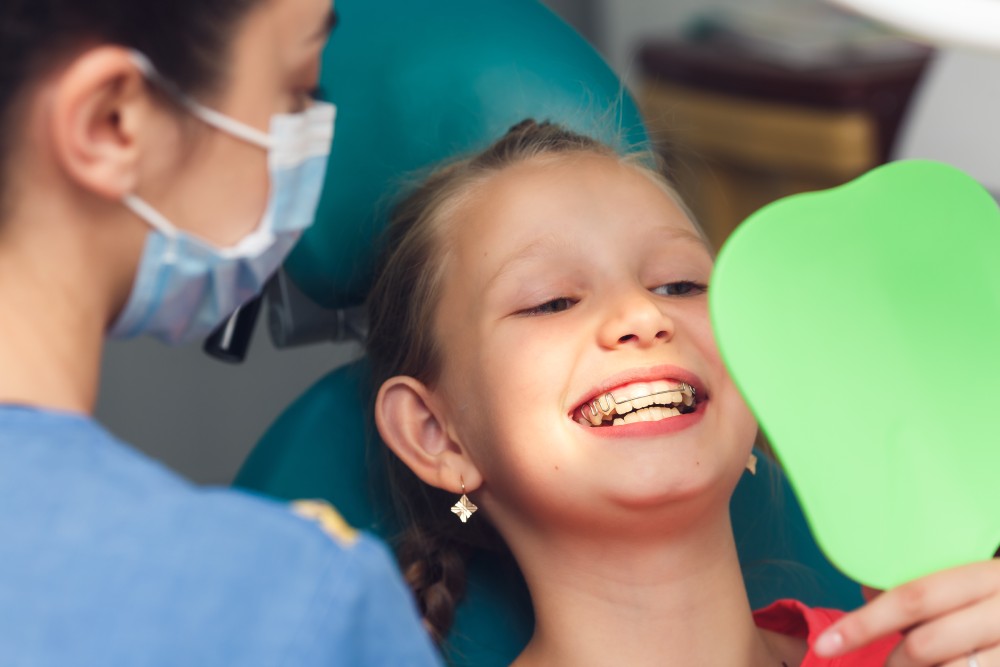
Kids and teens who are responsible. We do Invisalign for younger patients too, including Phase 1 treatment. Invisalign makes a product specifically designed for teens with compliance indicators built in. For the right kid, it’s a great option.
When Braces Are Usually the Better Choice
Compliance is a real concern. This is the number one reason I recommend braces over Invisalign when someone is on the fence. If you know yourself and you know you’ll be tempted to leave the aligners out, or if you’re a parent who’s not sure your child will wear them consistently, braces remove the variable entirely. They’re on your teeth 24 hours a day and working whether you think about them or not.
Certain complex bite corrections. There are specific cases, particularly some significant overbites, underbites, and cases involving impacted teeth, where braces give me more precise control over tooth movement. It’s not that Invisalign can’t work in these situations, it’s that braces sometimes make a complex case more straightforward to manage.
Cleft palate patients. I’m part of the Gulf Coast Craniofacial and Cleft Palate team at Ascension Sacred Heart in Pensacola. For my cleft palate patients, braces are typically the better tool. The treatment coordination with oral surgery and the precision required in those cases makes traditional braces the right choice.
Some surgical cases. When orthodontic treatment is combined with jaw surgery, braces tend to give me better control over the final result.
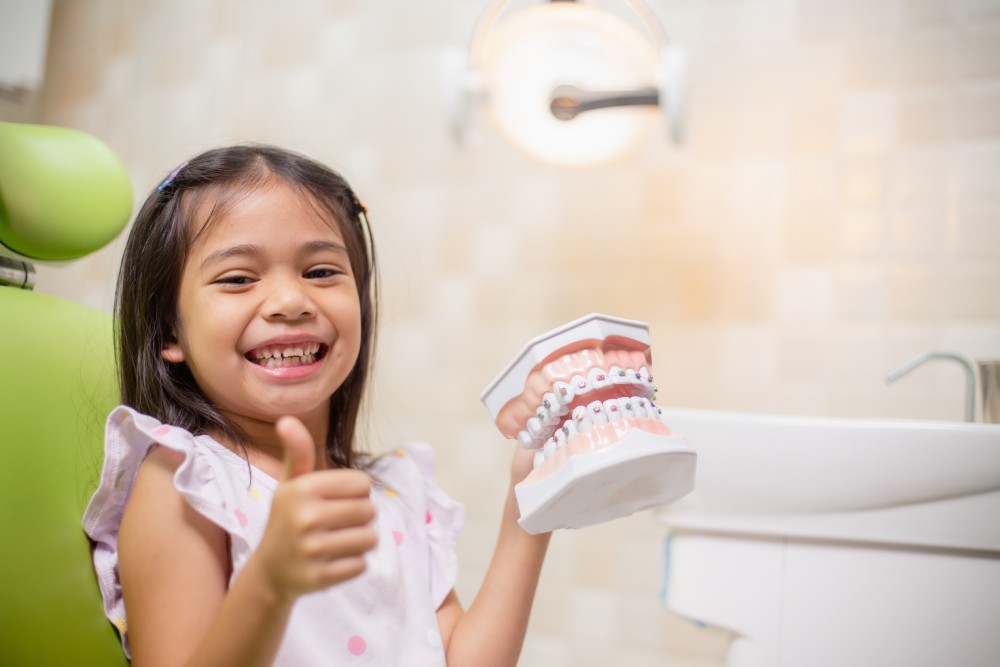
Kids who want the colors. This sounds simple but it’s real. A lot of kids genuinely love picking their bracket colors at every appointment. For a 10 or 11-year-old, braces can actually be fun. Don’t underestimate that.
The Cost Question
One of the most common assumptions people bring in is that Invisalign costs more than braces. At our practice, that’s generally not true. We price based on the complexity of your case, not the appliance. A moderate Invisalign case and a moderate braces case are typically quoted at the same fee.
The one exception is if your case requires an Invisalign upgrade for specific features or if a combination approach is needed, but we’ll go over all of that clearly at your consultation before you decide anything.
For a full breakdown of what treatment costs at our practice, see our post on braces and Invisalign costs in Pensacola.
What I Tell Patients Who Come In with Their Mind Already Made Up
This happens regularly. Someone comes in saying “I only want Invisalign, I don’t care what you say.” And I respect that. It’s your mouth and your treatment.
But my job is to be honest with you, the same way I’d be honest with a family member sitting in that chair. If I think braces will give you a better result for your specific situation, I’ll tell you. If Invisalign is genuinely the right choice, I’ll tell you that too. I’m not going to recommend one over the other for any reason other than what’s actually best for your teeth, your bite, and your long-term result.
What I always say is this: if this were my mouth, or if you were my child or my parent, here’s what I would choose. That’s the standard I hold myself to with every patient.
Invisalign for Kids and Teens: What Parents Ask Most
Can my child really do Invisalign? Yes, in many cases. Invisalign has products specifically designed for younger patients, including Phase 1 treatment for kids who still have baby teeth. Whether it’s the right choice depends on the case and, honestly, on the child’s maturity and willingness to wear them.
How do I know if my teenager will actually wear them? Invisalign Teen includes compliance indicators, small blue dots on the aligners that fade with wear. It’s not foolproof but it gives parents a general sense of whether the aligners are being worn as directed. The bigger factor is knowing your kid. Some teenagers are incredibly responsible with Invisalign. Others do much better with braces because the decision is taken out of their hands.
What if they’re in sports? This is actually one area where Invisalign has an advantage. Athletes can remove the aligners for contact sports and wear a mouthguard without any issues. With braces, contact sports require more care and a specially fitted mouthguard is important.
My Honest Take as a Diamond Invisalign Provider
Being a Diamond Provider means I treat a high volume of Invisalign cases every year. I’ve seen what it can do at its best and I’ve also seen cases where patients would have been better served by braces and nobody told them honestly.
The thing I want people in Pensacola to understand is that the provider matters as much as the product. Invisalign is a tool. In experienced hands it produces outstanding results across a wide range of cases. In less experienced hands, or when it’s recommended for cases it isn’t ideal for, results suffer.
When you come in for a consultation, I’ll tell you candidly which option I think is right for your case and why. If you’re a good candidate for both, I’ll tell you that too and let you decide based on your lifestyle, your preferences, and what fits your budget.
Frequently Asked Questions
Is Invisalign as effective as braces? For most cases, yes. Invisalign has advanced significantly and can treat a wide range of issues including crowding, spacing, overbites, underbites, and crossbites. There are specific complex cases where braces offer more precise control, but for the majority of patients both options can achieve excellent results.
Does Invisalign hurt less than braces? Generally, yes. Most patients find Invisalign more comfortable than braces. There’s no risk of poking wires or broken brackets. Some discomfort when switching to a new set of aligners is normal, similar to the soreness after a braces adjustment, but it typically passes within a day or two.
Can Invisalign fix severe crowding? Yes, in most cases. Severe crowding used to be considered outside Invisalign’s range but that’s changed significantly. We treat severe crowding cases with Invisalign regularly. The key is having an experienced provider who knows how to plan the case correctly from the start.
How long does Invisalign take? It depends on your case. Simple cases can be done in as little as a few months with a limited treatment plan. Average full treatment runs 12 to 18 months, similar to braces. Complex cases can take longer. Compliance plays a big role too. Patients who wear their aligners consistently tend to finish on time or early.
Can adults get Invisalign? Absolutely. In fact adults are some of our best Invisalign patients because they tend to be highly motivated and compliant. We have patients of all ages in Invisalign, including patients well into their 50s, 60s, and beyond. It’s never too late to improve your smile.
Are braces or Invisalign better for kids? It depends on the child. Both options work well for the right patient. Braces are often easier for younger kids because compliance isn’t a factor. Invisalign can be a great choice for responsible teens and for certain Phase 1 cases in younger children. We’ll give you an honest recommendation based on your child’s specific situation.
How do I find out which is right for me? Come in for a free consultation. We’ll evaluate your teeth and bite, go over your options, and give you a clear recommendation. No pressure, no obligation.
Book your free consultation at Sims Orthodontics
Three locations in Pensacola, Gulf Breeze, and Crestview. No referral needed.
Sims Orthodontics serves families from Pensacola, Gulf Breeze, Crestview, Navarre, Pace, Milton, and across Northwest Florida