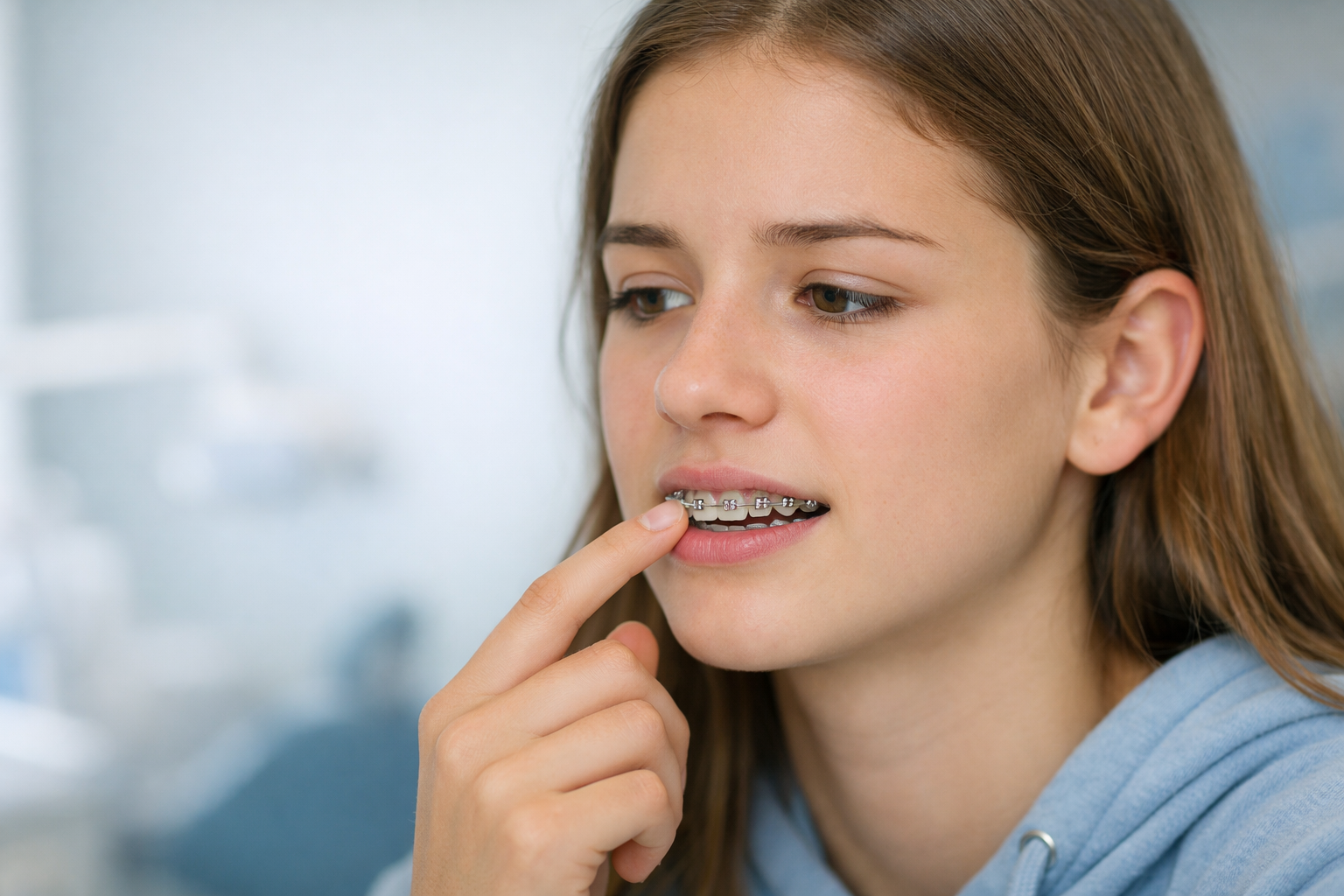
A loose bracket, while not typically an emergency in orthodontics, should still be addressed promptly. If you find that a bracket is loose, it is recommended to contact our office immediately so we can arrange a time for you to have it reattached. If possible, keep the bracket secure in a ziplock bag to bring with you, as it can often be reattached if it remains intact.
In the early stages of your orthodontic treatment, a loose bracket may not cause significant issues, but as you near the end of your treatment, it becomes more critical to fix the bracket quickly. Generally, teeth may begin to shift significantly after a week, so having the bracket reattached within 7–10 days is crucial, particularly as you approach the conclusion of your treatment.
In certain scenarios where the wire also becomes loose and causes discomfort by poking or rubbing against soft tissues in the mouth, the situation might be considered more urgent. We will discuss handling a pokey wire and other strategies for managing this discomfort in a future topic. However, it’s advisable to seek prompt assistance from our office in such cases.
We offer an emergency cell phone service outside of regular office hours for unexpected orthodontic issues, ensuring that you receive the necessary support and assistance whenever required.
It’s essential to remember that while most orthodontic concerns aren’t emergencies, addressing them swiftly is vital for the overall success of your treatment. Do not hesitate to reach out to Sims Orthodontics for guidance and scheduling if you encounter a loose bracket or any other orthodontic concerns.
Is a Loose Bracket an Emergency?
A loose bracket, while not typically an emergency in orthodontics, should still be addressed promptly. If you find that a bracket is loose, it is recommended to contact our office immediately so we can arrange a time for you to have it reattached. If possible, keep the bracket secure in a ziplock bag to bring with you, as it can often be reattached if it remains intact.
In the early stages of your orthodontic treatment, a loose bracket may not cause significant issues, but as you near the end of your treatment, it becomes more critical to fix the bracket quickly. Generally, teeth may begin to shift significantly after a week, so having the bracket reattached within 7–10 days is crucial, particularly as you approach the conclusion of your treatment.
In certain scenarios where the wire also becomes loose and causes discomfort by poking or rubbing against soft tissues in the mouth, the situation might be considered more urgent. We will discuss handling a pokey wire and other strategies for managing this discomfort in a future topic. However, it’s advisable to seek prompt assistance from our office in such cases.
We offer an emergency cell phone service outside of regular office hours for unexpected orthodontic issues, ensuring that you receive the necessary support and assistance whenever required.
It’s essential to remember that while most orthodontic concerns aren’t emergencies, addressing them swiftly is vital for the overall success of your treatment. Do not hesitate to reach out to Sims Orthodontics for guidance and scheduling if you encounter a loose bracket or any other orthodontic concerns.
What Does a Loose Bracket Feel Like?
A loose bracket in orthodontics typically refers to a brace that has detached from the tooth’s surface but is still connected to the archwire. Here’s what to expect if you suspect a bracket has become loose:
- Sensation on the Tooth: A loose bracket may create a strange feeling against the tooth. You might sense that something is not right, like a slight wobbling or shifting whenever you clean your teeth or eat.
- Discomfort or Irritation: Since the bracket is not firmly attached, it may move slightly, causing discomfort or irritation to the inner cheeks or lips. The bracket might rub against sensitive areas, leading to potential sore spots.
- Difficulty in Eating: Eating might become a bit more challenging. You may feel the bracket moving or wobbling while chewing, which can make the eating process somewhat uncomfortable.
- Visibility: In some cases, it might be visually noticeable that the bracket isn’t sitting flush against the tooth as it should, indicating that it’s loose.
- Manipulation: On gently manipulating the bracket with a clean finger or tongue, you may notice movement, confirming that it is not firmly bonded to the tooth.
Immediate Steps to Take
- Protection: Consider applying orthodontic wax to the loose bracket to prevent it from causing irritation to the cheeks or lips.
- Notification: Contact your orthodontic office, like Sims Orthodontics, as soon as possible to inform them of the situation and seek advice or schedule an appointment for repair.
- Maintenance: Maintain good oral hygiene and be extra cautious while brushing to avoid applying pressure on the loose bracket.
Remember, a loose bracket requires the attention of an orthodontic professional like Dr. Sims to ensure that it’s properly reattached, and the orthodontic treatment continues to progress as planned.
Can I Fix a Loose Bracket Myself?
No, you should not attempt to fix a loose bracket yourself. While a loose bracket isn’t usually an emergency, it does require professional attention to be properly reattached and ensure that your orthodontic treatment progresses correctly.
What Can You Do?
- Inform Your Orthodontist: Contact your orthodontist’s office, like Sims Orthodontics, as soon as you realize a bracket is loose. Informing them in advance ensures that they can allocate enough time during your next appointment to fix the issue.
- Protection: To avoid irritation to your lips or cheeks, you can cover the loose bracket with orthodontic wax. This will create a smoother surface and reduce discomfort.
- Dietary Precautions: Try to avoid hard, crunchy, or sticky foods that could further dislodge the bracket. Stick to soft foods and be gentle while chewing.
Tips to Prevent Loose Brackets and Reduce Comfort Appointments
- Mindful Eating: Avoid hard and sticky foods that can apply unnecessary pressure or get caught in the brackets and wires, leading to them becoming loose or dislodged.
- Protective Gear: If you play sports, consider wearing a mouthguard to protect your braces from potential damage due to physical impact.
- Proper Oral Hygiene: Maintain a consistent oral hygiene routine, being careful while brushing and flossing around the brackets and wires to prevent them from loosening.
- Follow Orthodontic Instructions: Adhere strictly to the guidelines and recommendations provided by your orthodontist, as this can play a vital role in the integrity of your braces.
While managing discomfort at home is possible, the actual correction of a loose bracket should always be left to orthodontic professionals like Dr. Sims and his team. They have the necessary tools and expertise to securely reattach the bracket and ensure the continued success of your braces treatment.