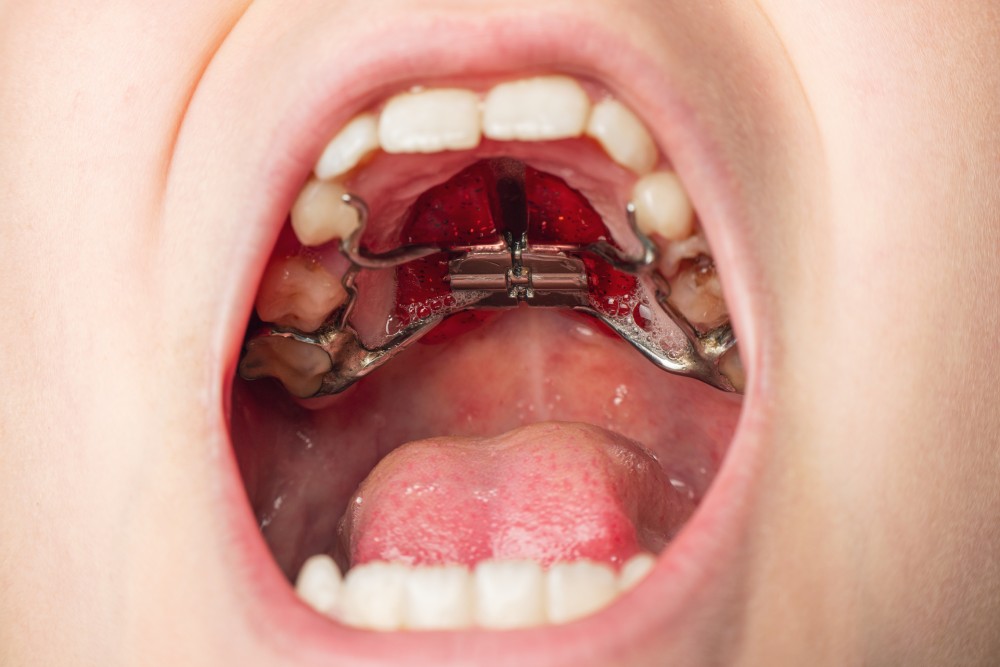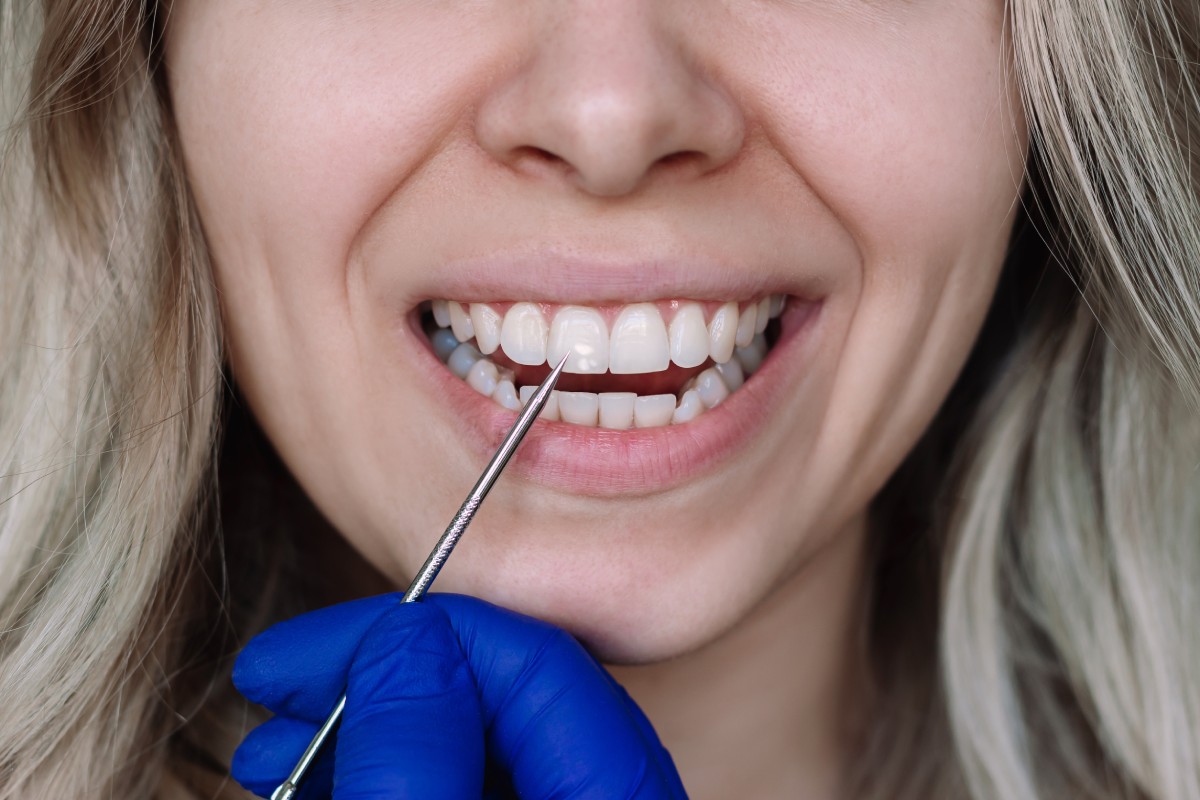
White spots are one of the most common concerns patients bring up when they’re considering braces, and one of the most common disappointments when they don’t take hygiene seriously during treatment. You spend 18 months working toward a straight smile and then the braces come off and there are white squares on your teeth where the brackets were.
The good news is that white spots are almost entirely preventable. The better news is that when they do develop, many of them improve significantly over time with the right approach.
I’m Dr. Clay Sims, a board-certified orthodontist in Pensacola. White spot prevention is something we take seriously at every appointment and it’s one of the reasons our referring dentists send patients to us specifically. I wrote my graduate research on white spot formation during orthodontic treatment, so this is a topic I’ve studied more deeply than most. Let me explain what’s actually happening when white spots form, what we do about it in our office, and what you can do to make sure it doesn’t happen to you.
What White Spots Actually Are
White spots on teeth around orthodontic brackets are called decalcification or demineralization. Here’s what’s actually happening at the enamel level.
Your tooth enamel is made up of a dense mineral structure. When acid sits against the surface of the tooth for extended periods, it draws minerals out of the enamel. The area that loses minerals becomes less dense and has a different internal structure than the healthy enamel around it. When light hits it, that difference in density creates a visual contrast. What you see is a white, chalky-looking area on the tooth surface.
The American Association of Orthodontists recognizes white spot lesions as one of the most common complications of orthodontic treatment and emphasizes that prevention through proper oral hygiene and diet control is significantly more effective than treatment after the fact.
The reason these spots tend to form around brackets specifically is that brackets create small areas where food, sugar, and bacteria accumulate and are hard to clean. If the sugar isn’t brushed away consistently, bacteria feed on it and produce acid as a byproduct. That acid sits against the enamel right at the bracket edge. Over weeks and months it starts to demineralize the enamel in that exact spot.
The early-stage white spot is not a cavity. It hasn’t broken through the enamel surface yet. At that stage it can actually improve and become less visible if the underlying cause is addressed. If it progresses further, it becomes permanent and may eventually develop into an actual cavity.
The Number One Cause: Sugary Drinks
When I see early white spots developing on a patient at an adjustment appointment, the first thing I ask is: “Are you drinking sugary drinks? Soda, sweet tea, Gatorade, sports drinks, fruit juice?”
Nine times out of ten, that’s the answer.
Here’s why sugary drinks are particularly damaging during orthodontic treatment compared to sugary food. When you eat something sweet, it’s in your mouth for a relatively short time and then it’s gone. A sugary drink is sipped over a longer period, continuously bathing the teeth in sugar. The bacteria in your mouth are constantly converting that sugar to acid the entire time you’re drinking.
With braces, that acid pools around the brackets where it’s hardest to rinse or brush away.
The athlete scenario is one I see regularly and it’s the most frustrating because it sneaks up on everyone. A kid who plays sports, brushes well, does everything right, but drinks Gatorade constantly throughout practice and games. When we take the braces off there’s a thin white line tracing the bracket edges on multiple teeth. A very fine box-shaped outline around where each bracket was. It’s almost invisible while the braces are on because the bracket covers it. The moment the bracket comes off you can see it clearly.
Gatorade, Powerade, and most sports drinks are highly acidic on top of being sugary. The combination is particularly damaging to enamel. If your child plays sports, water is the answer during practice and games. Gatorade after, rinsed with water, is a reasonable compromise.
The simple rule: water is always safe. Everything else should be limited and followed by rinsing or brushing.
How We Monitor Hygiene at Sims Orthodontics
At every adjustment appointment, we evaluate and grade each patient’s oral hygiene. Excellent, fair, or poor. We document it in the chart and track it over time.
If hygiene is fair or poor, we have a direct conversation with the patient and the parent if they’re present. We go over brushing technique, talk about diet and specifically what they’re drinking, and take photos if there’s something we need to track for accountability or monitor over time.
If I start seeing early signs of decalcification developing, we move the patient to three-month dental cleanings instead of the standard six months. More frequent professional cleanings help remove the buildup that accumulates around brackets and give us more opportunities to intervene early.
We also use MI Paste, a remineralizing cream, with patients who are showing early signs of white spot development. MI Paste contains calcium and phosphate that help replenish the minerals the enamel is losing. Applied after brushing and left on the teeth, it can slow or reverse early-stage decalcification.
In rare cases where hygiene has deteriorated significantly and white spots are progressing despite intervention, we can pause treatment, remove the wires, and refer the patient back to their dentist to evaluate and treat before we continue. And in the most extreme cases, we’ll remove the braces entirely and wait until the situation stabilizes. That happens maybe once every couple of years and almost always involves a patient who disappeared from appointments for an extended period.
This is one area where I’ll say directly: we don’t have a significant white spot problem at our practice. Dentists refer patients to us partly because of this. The monitoring, the hygiene grading, the conversations at every appointment, and the willingness to intervene early are what prevent the kind of outcomes people worry about when they think about getting braces.
What to Do If You Already Have White Spots
If you finish treatment and you have white spots, here’s the approach I recommend.
Start with MI Paste. Apply it after brushing, leave it on the teeth for several minutes before rinsing or sleeping. Give it three to six months before evaluating whether the spots are improving. For mild early-stage white spots this often produces visible improvement.
See your dentist for an evaluation. Let them assess the depth and severity of the spots and weigh in on whether additional treatment makes sense.
One important note on fluoride. Standard fluoride in toothpaste is helpful and you should keep using it. But high-concentration fluoride treatments at the dentist are worth discussing carefully before doing them on white spot areas. High-concentration fluoride can harden and seal the outer surface of the enamel quickly, which sounds like a good thing but can actually trap the demineralized area underneath and prevent the natural remineralization process from doing its work. It’s counterintuitive and not something most patients know. Talk to your dentist specifically about this before any high-concentration fluoride treatment on white spot areas.
Be patient. White spots that haven’t progressed to cavities often become significantly less visible over time, especially in the six to twelve months after braces are removed and remineralization has a chance to occur. The enamel surface gets smoother as the tooth rehydrates and remineralizes naturally.
If spots are significant and persistent, cosmetic options exist including microabrasion, resin infiltration, and in some cases veneer or bonding work. These are discussions to have with your general dentist, not your orthodontist. We’re not the right provider for cosmetic enamel restoration, but your dentist can evaluate what makes sense for your specific situation.
The Honest Answer on Whether White Spots Are Reversible
This is the question patients ask most directly and it deserves a straight answer.
Early-stage white spots that haven’t penetrated deeply into the enamel can improve substantially. Stopping the cause, usually the sugary drinks, combined with good brushing, MI Paste, and time, can make them significantly less visible to the point where most people don’t notice them.
More advanced white spots that have been developing for months without intervention are less likely to fully resolve. They’ll often improve but may never completely disappear. Once demineralization has progressed far enough, the structural change in the enamel is permanent even if it’s less visually prominent.
The takeaway is that the earlier the problem is caught and addressed, the better the outcome. Which is exactly why we monitor every patient at every appointment and have the conversation early rather than waiting until the braces come off and it’s too late to prevent anything.
What You Can Do Starting Today
Whether you’re about to start orthodontic treatment, currently in braces, or just finished, here’s the practical list.
If you’re about to start: Cut out sugary drinks before you even get the braces on. Build the water habit now. It’s much easier to maintain a habit than to change one mid-treatment when you’re also adjusting to having brackets on your teeth.
If you’re currently in braces:
- Brush after every meal, not just morning and night
- Use a fluoride toothpaste
- Drink water throughout the day and especially after anything sweet
- Ask us about MI Paste if you’re concerned about any spots you’ve noticed
- Come to every appointment. We can’t monitor what we don’t see.
If you just finished treatment: Give remineralization time to work. Use MI Paste for three to six months. See your dentist for an evaluation. Avoid high-concentration fluoride on white spot areas until you’ve discussed it with your dentist specifically. And keep up the water habit.
Frequently Asked Questions
Do white spots go away after braces? Early-stage white spots can improve significantly over time, especially with diet changes, good brushing, and remineralizing products like MI Paste. More advanced or long-standing white spots may become less noticeable but not fully disappear. The earlier they’re addressed the better the outcome.
How do I prevent white spots during braces? The most important things are cutting out sugary drinks, brushing after meals, and coming to every adjustment appointment so your orthodontist can monitor your enamel and intervene early if needed. Water is your best defense.
What is MI Paste and does it work? MI Paste is a remineralizing cream containing calcium and phosphate. Applied to the teeth after brushing, it helps replenish minerals in areas where early demineralization has occurred. It works best on early-stage white spots. We use it at our practice and recommend it to patients showing early signs of decalcification.
Can Gatorade cause white spots with braces? Yes, significantly. Sports drinks are both acidic and sugary, a combination that’s particularly damaging to enamel around brackets. The acid sits in the crevices around brackets where it’s hard to rinse or brush away. Athletes who drink sports drinks frequently during practice are among the patients most likely to develop white spots, even if their brushing is otherwise good. Water during activity is the answer.
Are white spots after braces permanent? It depends on the severity. Early-stage spots that are caught quickly can improve substantially. More advanced demineralization may be permanent though it often becomes less visible over time. This is why monitoring throughout treatment matters.
What does the orthodontist do if white spots are developing during treatment? At Sims Orthodontics we grade hygiene at every appointment and have a direct conversation if we see early signs. We recommend MI Paste, move patients to three-month cleanings, discuss diet specifically, and if needed can pause treatment, remove wires, or refer back to the patient’s dentist. In rare cases of severe progression we can remove the braces entirely until the situation improves.
I have white spots from old braces. What should I do? Start with MI Paste and give it several months. See your dentist for an evaluation and ask specifically about remineralization options before doing any high-concentration fluoride treatments on those areas. For persistent significant white spots, ask your dentist about resin infiltration or microabrasion, which are cosmetic options that can reduce their appearance.
Book your free consultation at Sims Orthodontics
No referral needed. Pensacola, Gulf Breeze, and Crestview.
Sims Orthodontics serves families from Pensacola, Gulf Breeze, Crestview, Navarre, Pace, Milton, and across Northwest Florida.