Getting braces is exciting. The first few days less so, mostly because your teeth are sore and you’re suddenly reading the ingredients on everything you’re about to eat.
The food rules with braces are not complicated, but they matter. Breaking a bracket or bending a wire means an unplanned trip to the office, a delay in your treatment, and sometimes additional cost. Most of the time it’s completely preventable.
I’m Dr. Clay Sims, a board-certified orthodontist with offices in Pensacola, Gulf Breeze, and Crestview. My team goes over this with every patient who gets braces, and I want to give you the same honest rundown here.
Why Food Choices Matter with Braces
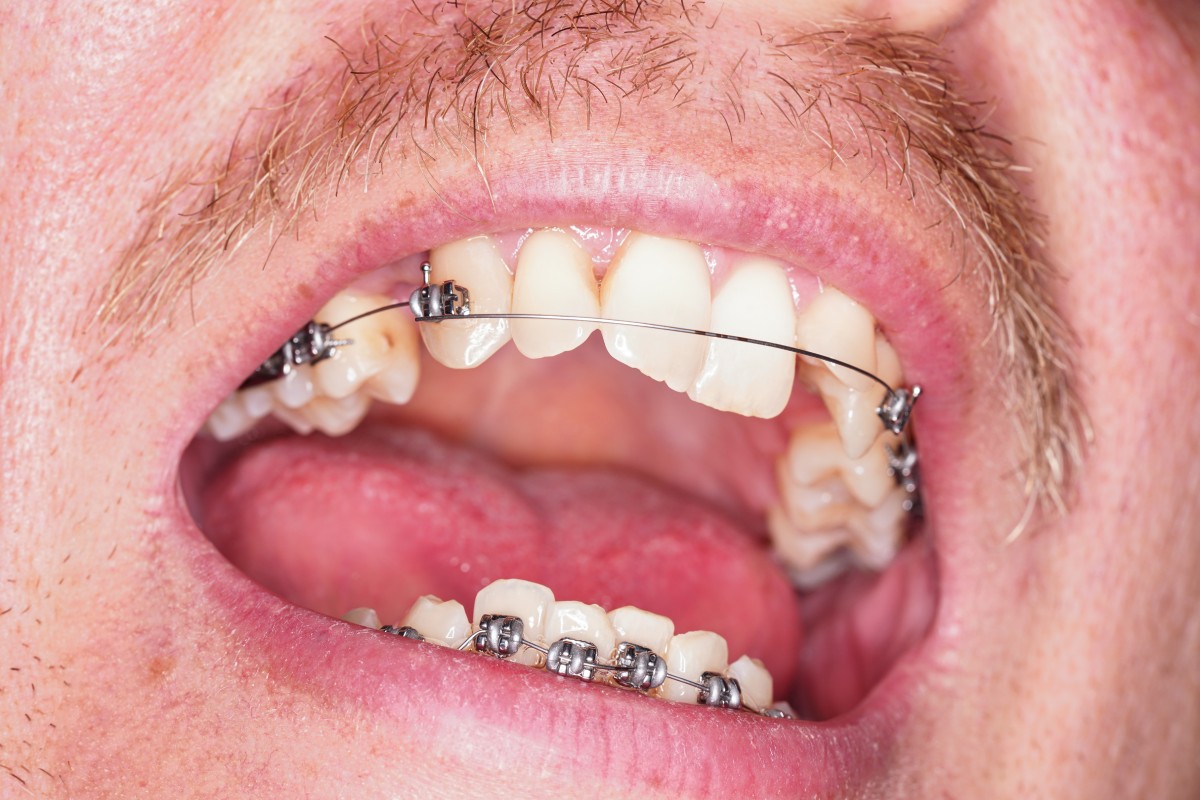
Braces work by applying consistent, controlled pressure on your teeth over time. The brackets are bonded to your teeth with dental adhesive and the wires connect them in a system that guides movement. It’s precise and effective, but it’s not indestructible.
Hard foods can snap a bracket off the tooth. Sticky foods can pull brackets loose or get packed into the wires in ways that are hard to clean. Chewy foods put stress on the wire-bracket connection that it wasn’t designed to handle repeatedly.
None of these failures hurt in the moment. A popped bracket doesn’t usually cause pain. But it does stop that tooth from moving, and if you don’t notice it for a few weeks, it can set your treatment back.
The good news is the list of things to avoid is shorter than most people expect, and there are plenty of ways to adapt foods you love so they’re braces-safe.
Foods to Avoid Completely
These are the ones that cause the most bracket and wire damage. Not “be careful with.” Avoid entirely for the duration of treatment.
Hard and crunchy foods
- Popcorn. Kernels get lodged under wires and the hulls can snap brackets
- Hard candies. Biting down on them is a bracket-breaker
- Ice. Chewing ice is one of the most common causes of broken brackets we see
- Nuts. Whole nuts especially. Nut butters are fine
- Hard pretzels and hard crackers
- Hard taco shells
- Croutons
- Raw carrots, apples, and other hard raw vegetables eaten whole
Note on raw fruits and vegetables: you don’t have to give these up entirely. Cut apples into small pieces, slice carrots thin, and bite with your back teeth rather than your front teeth. The issue is biting into a whole apple or snapping a carrot with your front teeth, which puts direct pressure on the brackets most likely to pop.
Sticky and chewy foods
- Gum, all types including sugar-free
- Caramel and caramel-coated anything
- Taffy and other chewy candies
- Gummy bears, gummy worms, Swedish Fish, Sour Patch Kids
- Starburst and similar soft-but-sticky candies
- Fruit snacks
- Bagels and hard chewy breads
- Beef jerky and other tough dried meats
- Licorice
Sticky foods are the most frustrating because they feel harmless in the moment. The problem is they wrap around brackets and wires, pull at the bonding, and are nearly impossible to clean out completely. Gum especially gets everywhere and is the number one thing I ask patients to give up.
Hard breads and crusts
- Crusty French bread and baguettes
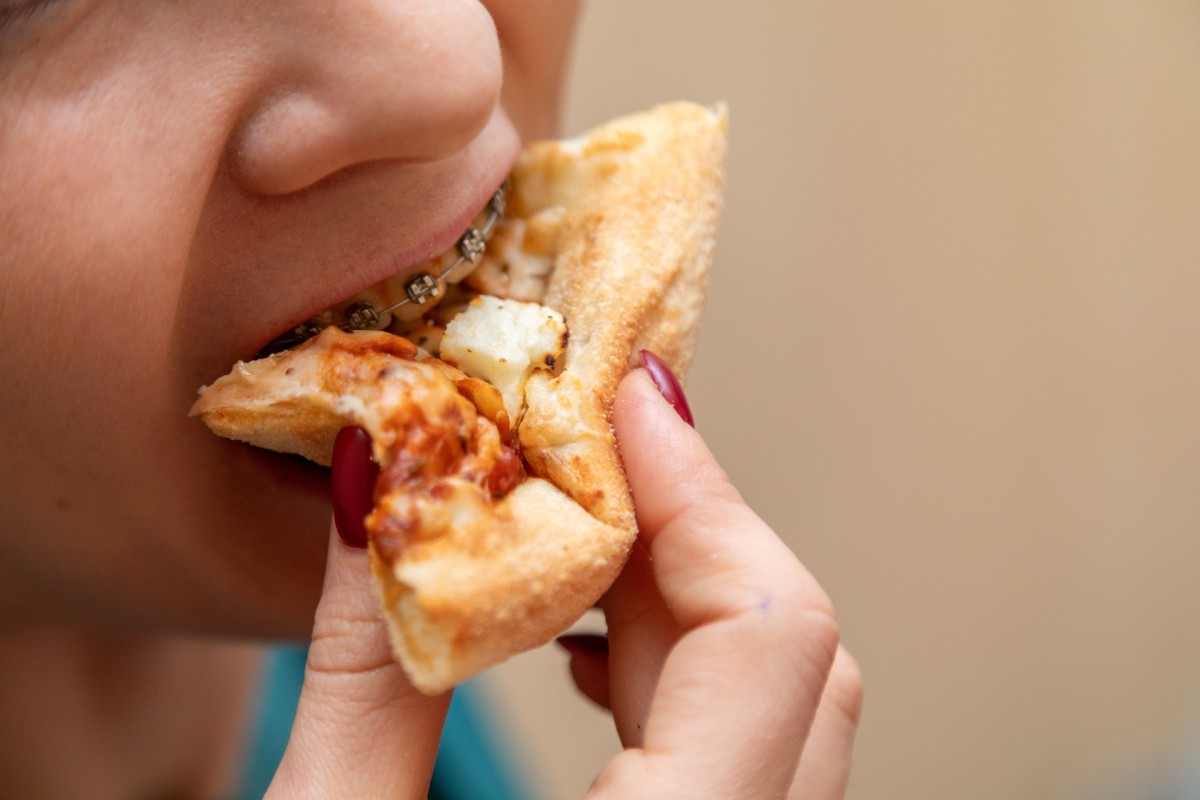
- Hard pizza crust
- Hard rolls
Soft bread is completely fine. The issue is biting through a hard crust with your front teeth.
The First Week Deserves Special Attention
Getting braces put on doesn’t hurt. But for the first three to five days after placement, and for a day or two after each adjustment appointment, your teeth will be sore. This is completely normal and expected. The teeth are responding to pressure and the surrounding tissue is adapting.
During those sore days, soft foods aren’t just recommended, they’re genuinely more comfortable. This is when mac and cheese, yogurt, smoothies, mashed potatoes, soup, and ice cream become your best friends. Ice cream specifically can help with the soreness. The cold feels good and it’s soft enough to eat without any chewing pressure.
After the first week most people adjust quickly and eating feels fairly normal again as long as you’re avoiding the hard and sticky foods on the list above.
What You Can Eat: The Full List
This is longer than most people expect.
Dairy and protein
- Yogurt. One of the best braces foods. Soft, nutritious, and cold
- Soft cheeses
- Eggs cooked any way: scrambled, boiled, fried, omelets
- Milk and milk-based drinks
- Soft-cooked beans and lentils
- Tofu
- Chicken and turkey, as long as it’s tender and not tough or chewy
- Fish and seafood
- Soft cuts of beef, well cooked
- Lunch meats and deli meats
- Peanut butter and nut butters (smooth, not crunchy)
- Hummus
Fruits and vegetables
- Bananas
- Berries: strawberries, blueberries, raspberries
- Grapes, cut in half
- Melon cut into small pieces
- Peaches and nectarines, cut off the pit
- Applesauce
- Avocado
- Mashed potatoes
- Steamed or roasted vegetables: broccoli, cauliflower, carrots, squash, zucchini
- Cooked spinach and other leafy greens
- Tomatoes
- Cucumbers sliced thin
Grains, pasta, and bread
- Macaroni and cheese. A genuine braces staple
- Spaghetti and other pasta
- Rice and risotto
- Quinoa, cooked soft
- Oatmeal
- Soft bread without hard crust: sandwiches, soft rolls, tortillas
- Pancakes and waffles
- Soft muffins without nuts
- Soft cereals with milk
Soups and comfort foods
- Any broth-based soup
- Creamy soups
- Chili, well cooked
- Stew with tender meat and soft vegetables
Snacks and treats
- Ice cream, soft serve especially
- Pudding and Jell-O
- Smoothies and milkshakes
- Soft cookies without hard chips or nuts
- Cake and soft pastries
- Chocolate. Milk chocolate and soft chocolate melts easily. Just avoid hard chocolate bars bitten directly
- Soft fruits like mangoes, papayas, and kiwi
A Few Foods That Need a Workaround
These aren’t on the avoid list but they need a small adjustment to be safe.
Apples. Don’t bite into a whole apple. Cut it into slices and chew with your back teeth. Same idea applies to pears.
Corn on the cob. Cut the corn off the cob before eating. The motion of biting into a corn cob puts a lot of pressure on front brackets.
Chicken wings and ribs. Meat on the bone isn’t the problem. Pulling and tearing the meat off the bone with your front teeth is. Cut the meat off or pick it off with your back teeth.
Hard pizza crust. Eat the soft part of the pizza and leave the hard outer crust.
Chips and crackers. Regular potato chips are usually fine because they dissolve quickly. Harder chips like Doritos, Fritos, and especially thick tortilla chips are more of a risk. Thin crackers are generally okay, thick hard crackers are not.
Sandwiches with hard bread. Switch to soft bread or cut into small pieces.
What About Halloween and the Holidays?
This comes up a lot. Halloween especially.
Most chocolate is completely fine with braces. Plain milk chocolate, Reese’s, Kit Kats, 3 Musketeers, Hershey bars are all soft enough to eat carefully. The ones to avoid are anything hard, chewy, or sticky: hard candies, Jolly Ranchers, caramel, taffy, Starburst, gummies, and candy corn.
For holiday meals: turkey, mashed potatoes, stuffing, soft vegetables, and pie are all fine. Skip the hard rolls and be careful with anything that requires significant tearing or crunching.
Drinks with Braces
A quick note on drinks because this one surprises people.
Water is always the best choice and is especially helpful after meals to rinse food away from brackets.
Sugary and acidic drinks are worth limiting throughout treatment, not because they damage brackets, but because the sugar and acid sit against the teeth around the brackets and can cause white spot lesions, which are areas of decalcification that become visible when the braces come off. Soda, sports drinks, and fruit juices are the main ones to watch. If you drink them, use a straw and rinse with water afterward.
Coffee and tea won’t damage your braces but they can stain the elastic ties on traditional metal braces over time. If that bothers you, go easy on them between adjustment appointments when the ties get changed anyway.
What Happens If You Break a Bracket
It happens. Even with the best intentions a popcorn kernel gets eaten at the movies or a piece of hard candy finds its way in. Here’s what to do.
Check whether the bracket is still attached to the wire even if it’s come off the tooth. Usually it stays connected to the wire and isn’t an emergency. Call our office and let us know so we can schedule a repair appointment at a convenient time.
If a wire is poking and causing irritation, use orthodontic wax to cover the sharp end temporarily. We include wax with every patient’s braces kit. If you don’t have any, dental wax from any drugstore works the same way.
If you’re in significant pain or something feels very wrong, call us and we’ll get you in quickly. Our Pensacola office number is (850) 477-7715.
Don’t wait weeks to tell us about a broken bracket. The longer we go without knowing, the longer that tooth isn’t moving the way it should.
The Honest Takeaway
Most patients adjust to eating with braces faster than they expect. The first week is the hardest, mostly because of soreness rather than restriction. After that it becomes second nature to skip the popcorn and cut the apple.
Patients who are careful with food tend to finish treatment on time or early. Patients who break brackets regularly can add weeks or months to their overall treatment time. It’s genuinely worth paying attention to.
If you have questions about a specific food your patient missed, call us or ask at your next appointment. We’d rather answer the question than have you break something.
Frequently Asked Questions
Can I eat pizza with braces? Yes, with one adjustment. Eat the soft part of the pizza and leave the hard outer crust. The soft doughy interior is fine. The hard chewy crust is what causes problems.
Can I eat chips with braces? Thin soft chips like regular potato chips are usually okay because they dissolve quickly. Thicker harder chips like Doritos, Fritos, and thick tortilla chips are riskier and worth avoiding. When in doubt, skip them.
Can I chew gum with braces? No. Gum is one of the few things I ask patients to avoid completely throughout treatment. It wraps around brackets and wires, is nearly impossible to clean out fully, and pulls at the bonding over time.
Can I eat chocolate with braces? Most soft chocolate is fine. Milk chocolate, Reese’s cups, Kit Kats, and similar soft chocolates are all okay eaten carefully. Avoid hard chocolate bars bitten directly, chocolate with nuts, and anything with caramel or chewy filling.
What can I eat the first week with braces? Stick to soft foods for the first three to five days while your teeth adjust. Mac and cheese, yogurt, smoothies, soup, mashed potatoes, scrambled eggs, ice cream, and pasta are all good options. After the first week most people can eat normally within the food guidelines.
What happens if I eat something I shouldn’t? If you pop a bracket, call our office and let us know. In most cases it’s not an emergency and we’ll schedule a repair at your next convenient appointment. Try to avoid repeating the food that caused it. One slip isn’t a big deal. Regular bracket breakage does extend treatment time.
Can I eat steak with braces? A tender, well-cooked steak cut into small pieces is fine. The issue is tearing tough chewy meat with your front teeth. Cut everything into small pieces and chew with your back teeth and most cooked meats work fine.
Do I really have to avoid all of these foods for two years? Yes for the hard and sticky items on the avoid list. The good news is the list of what you can eat is significantly longer than what you can’t. Most people adapt quickly and don’t find it as limiting as it sounds at first.
Book your free consultation at Sims Orthodontics
No referral needed. Pensacola, Gulf Breeze, and Crestview.
Sims Orthodontics serves families from Pensacola, Gulf Breeze, Crestview, Navarre, Pace, Milton, and across Northwest Florida.