We have a saying at Sims Orthodontics: we guarantee your teeth will be crooked if you don’t wear your retainer.
It’s meant to be funny. But it’s also completely true. And the short answer to the question in the title: at least 12 hours a day to start, then nighttime wear long term.
Teeth are not static. They’re held in position by a combination of bone, ligament, and the forces around them from the lips, tongue, and the way you bite. When braces or Invisalign finishes moving your teeth into their new positions, those surrounding structures need time to adapt and stabilize. Until they do, the teeth will drift back toward where they came from. Every time. Without exception.
The retainer is what holds the result while that stabilization happens. And if you’re honest with yourself about why so many adults end up back in orthodontic treatment years later, it almost always comes back to the same thing: they stopped wearing their retainer.
I’m Dr. Clay Sims, a board-certified orthodontist in Pensacola. Here’s everything you need to know about retainers, how we handle them at our practice, and how to make sure the smile you worked for actually lasts.
How We Handle Retainers at Our Practice
Most orthodontic practices take impressions or scans after the braces come off, send them to a lab, and have the patient come back a week or two later to pick up their retainers. During that window the teeth are completely unrestrained and can start shifting.
We don’t do it that way.
At the appointment before your braces come off, we take a digital scan of your teeth with the braces still on. We digitally remove the braces from that scan and use the resulting image to fabricate your retainers in advance. When you come in to get your braces removed, your retainers are already made and waiting. The moment the brackets come off, the retainers go in. No gap. No window for the teeth to move.
That appointment is also when we give you your final photos, go over your retainer care sheet, and walk through everything you need to know about wearing and maintaining your retainers going forward.
How Long Do You Need to Wear a Retainer?
This is the question everyone asks and the honest answer is: indefinitely.
Not necessarily all day every day forever, but some amount of retainer wear for the rest of your life is what keeps your teeth stable long term. The ligaments and bone around your teeth never stop responding to forces. Teeth can shift at any age. The only thing that reliably prevents that is consistent retainer wear.
Here’s how we phase it:
First 3 to 6 months after treatment: We recommend wearing your retainer for at least 12 hours a day, typically while you sleep and for part of the day. If you had significant rotations or severe crowding before treatment, we may ask for full-time wear except when eating and brushing during this initial period. This is when the risk of relapse is highest and when the bone around your teeth is still consolidating in the new positions.
After the initial period: Nighttime wear only is the goal for most patients. Wearing your retainer every night while you sleep is what most people can realistically maintain long term and it’s enough to keep most cases stable.
The honest truth about skipping: Missing a night occasionally is not a disaster. Missing weeks or months is. If you’ve left your retainer out for an extended period and it feels tight when you try to wear it again, that tightness means your teeth have moved. Don’t force it. Call us.
Why Teeth Shift After Braces
Understanding why shifting happens makes it easier to take the retainer seriously.
Your teeth are anchored in bone but they’re not rigid. The periodontal ligament, a thin layer of tissue between each tooth root and the surrounding bone, allows teeth to respond to pressure. That’s how orthodontic treatment works in the first place. The same responsiveness that allows us to move teeth into alignment allows them to drift back out of alignment when the forces are removed.
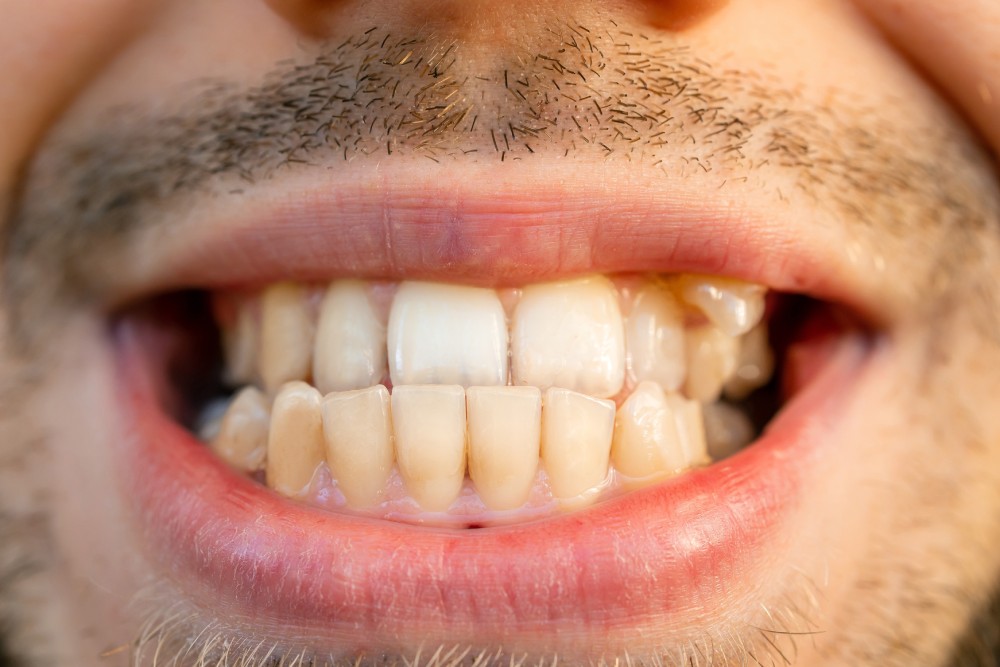
There are also specific tendencies in most mouths. Lower front teeth want to crowd with age regardless of whether you’ve had braces. The upper front teeth want to flare forward. The bite tends to deepen over time. Without a retainer holding position, these tendencies express themselves slowly and then noticeably.
The other factor most people don’t think about is third molars. Wisdom teeth that are erupting or pushing against neighboring teeth can create pressure that shifts the front teeth. We monitor for this at your retainer check appointments and will flag it if it becomes relevant to your case.
Types of Retainers
Vivera clear retainers. These are what we use at our practice. Vivera retainers are made by Invisalign using the same proprietary material as Invisalign aligners. They’re significantly more durable than generic clear retainers. Studies have shown Vivera retainers are roughly 30% stronger and more resistant to cracking than comparable clear retainer products. They fit precisely because they’re fabricated from your exact digital scan. They’re virtually invisible when worn and easy to take in and out.
Bonded or fixed retainers. A thin wire bonded to the back of the front teeth. Stays in permanently and requires no compliance because you can’t take it out. The downside is that it requires more careful flossing and if it breaks without you noticing, the teeth can move before you realize anything has happened. Some cases benefit from a bonded retainer in addition to a removable one, particularly lower front teeth that are prone to crowding. We’ll discuss this at your deband appointment if it’s relevant to your case.
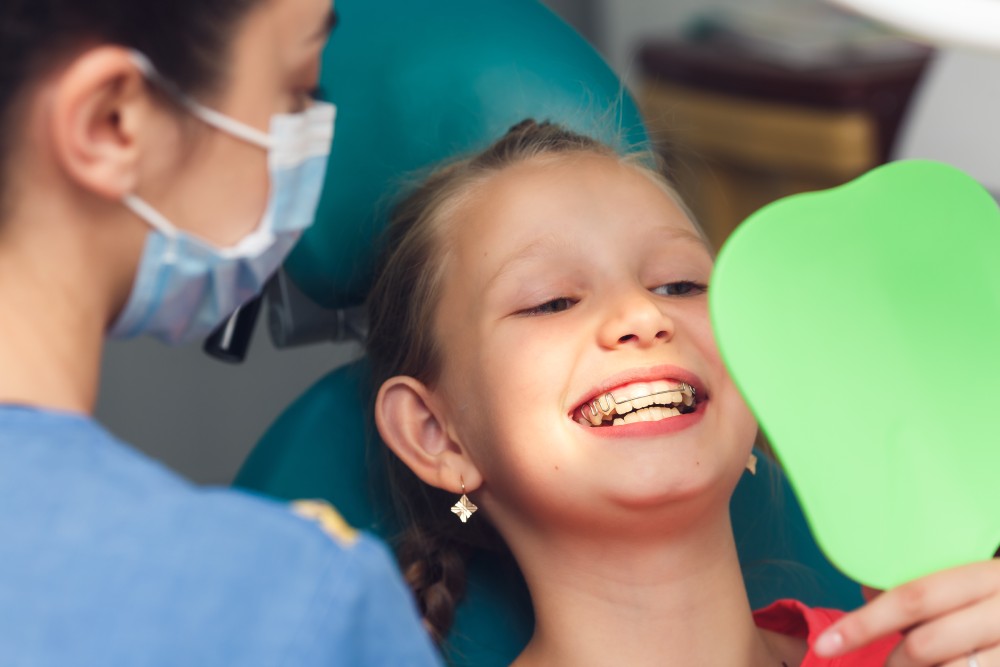
Hawley retainers. The traditional wire-and-acrylic retainer. Durable and adjustable but more visible and bulkier than clear retainers. We use these in specific situations but most patients prefer the clear Vivera option.
The Peace of Mind Retainer Plan
One of the biggest reasons people stop wearing their retainer is losing or breaking it and not getting it replaced quickly. You lose it on a Tuesday, think you’ll deal with it next week, and three weeks pass before you do anything. By then your teeth have already shifted enough to make the retainer feel tight, which feels discouraging, so you put it off longer. It’s a cycle we see all the time.
We built our Peace of Mind Retainer Plan to break that cycle.
Here’s how it works. At the end of your treatment we take a digital scan of your finished smile and store it on the cloud using Invisalign’s technology. That scan is your permanent record of the smile we created together. It lives there as long as you’re enrolled in the plan.
When you enroll, you pay a one-time fee that includes your first set of Vivera retainers. After that, for the next five years, replacement Vivera retainers are just $30 each.
No office visit required. No new impressions. You call us, we pull up your stored smile, and your new retainer is fabricated and ready to pick up in five to seven days. The standard replacement cost for a Vivera retainer is around $267. You’re paying $30.
We can also add the enrollment fee to the end of your treatment contract so there’s no extra out-of-pocket cost at the deband appointment. You just extend the monthly payments slightly or increase the amount. About 500 patients a year enroll in this plan, past patients, current patients finishing treatment, and adults starting treatment who want the protection built in from day one.
The five-year window starts from the date your braces or aligners come off, or from the enrollment date if you join after treatment. The plan covers clear plastic Vivera retainers. Hawley retainers and retainers with a pontic, a fake tooth built in, are replaced at standard rates.
Retainer Care
A retainer you don’t clean properly harbors bacteria, calcifies over time, starts to smell, and becomes something you don’t want to put in your mouth. Here’s how to take care of it.
Rinse every time you take it out. Before the saliva dries and bacteria multiply. Takes five seconds.
Clean with a soft toothbrush and water. Once a day is enough for most people. Brush gently. You’re removing biofilm, not scrubbing a pot.
Don’t use toothpaste on clear retainers. Toothpaste is mildly abrasive. Over time it scratches the surface of clear retainers, making them cloudier and harder to keep clean. Plain water and a brush, or a retainer cleaning tablet dissolved in water, is better.
Store it in its case. Not in a napkin on your lunch tray. Not loose in a bag. Not on the bathroom counter. In its case. The majority of retainers that get lost or broken are lost in napkins at restaurants or cracked when something falls on them on the counter.
Call us within 24 hours if you lose it. This is especially important in the first months after treatment when teeth are most likely to shift quickly. The sooner you call, the less chance of meaningful movement before your replacement arrives.
What to Do If Your Retainer Doesn’t Fit Anymore
If you’ve gone without wearing your retainer for a while and it feels tight or doesn’t seat all the way, don’t force it. A retainer that doesn’t fit means your teeth have moved. Forcing it in can damage your teeth or the retainer.
Call us. We’ll evaluate where your teeth are and figure out the best path forward. In some cases a new retainer fitting your current tooth position is the right answer and we monitor from there. In cases where significant movement has occurred, limited retreatment may be needed.
This is the most common situation we see in adults who come back to us years after finishing treatment. A small amount of relapse that a new retainer takes care of is very different from significant relapse that requires braces or Invisalign again. The difference is usually how quickly they called us after noticing the shift.
The Deband Appointment: What Happens When Your Braces Come Off
Getting braces off is one of the best days in orthodontic treatment. Here’s what to expect.
We remove the brackets and thoroughly clean the adhesive from the tooth surfaces. We take final photographs of your finished smile. We fit your retainers, which as described above are already made and waiting for you. We go over your retainer wear schedule, how to clean them, and what to do if something happens.
You leave with your retainers in, your final photos, and a retainer care sheet that covers everything we discussed. The visit typically takes about an hour.
After that, we schedule a retainer check at three months to confirm everything is stable, check your bite, and monitor third molar development if relevant to your case.
Frequently Asked Questions
Do you have to wear a retainer forever after braces? Some level of retainer wear long term is what keeps results stable permanently. After the first several months of more consistent wear, most patients move to nighttime wear only. Wearing your retainer every night while you sleep is the realistic long-term goal and it’s enough to keep most cases stable indefinitely.
What happens if I stop wearing my retainer? Your teeth will gradually shift back toward their original positions. How quickly and how much depends on your original case, your age, and how long you go without wearing it. Lower front teeth crowding and upper front teeth flaring are the most common forms of relapse.
How do I know if my retainer still fits? It should seat fully and feel snug but not painful. If it feels significantly tighter than usual or doesn’t seat all the way, your teeth have likely shifted. Call us rather than forcing it.
What is a Vivera retainer? Vivera retainers are made by Invisalign using the same material as Invisalign aligners. They’re more durable than standard clear retainers, fit precisely from your digital scan, and are virtually invisible when worn. They’re the retainer we use for our patients at Sims Orthodontics.
What is the Peace of Mind Retainer Plan? It’s a retainer replacement program that stores your final smile digitally and lets you replace lost or broken Vivera retainers for $30 each for five years after treatment. Enrollment includes your first set of retainers. No office visit needed for replacements. Retainers are ready in five to seven days. Ask us about enrollment pricing at your consultation or deband appointment.
Do I need a bonded retainer? It depends on your case. Some patients benefit from a thin wire bonded to the back of the lower front teeth in addition to a removable retainer, particularly when lower crowding was significant. We’ll discuss this at your deband appointment.
Can I wear my old retainer if it still fits? Yes, if it fits comfortably and seats fully. If it feels tight it means some movement has occurred. Wearing a tight retainer can sometimes push the teeth back gently if the movement is very minor, but this should be done carefully and with our guidance, not on your own after a long break.
What if I had Invisalign instead of braces? Do I still need a retainer? Yes. The retention requirement after Invisalign is identical to after braces. The teeth are in new positions and they need to be held there while the surrounding structures stabilize. Your last Invisalign aligner is not a substitute for a proper retainer.
Book your free consultation at Sims Orthodontics
Pensacola, Gulf Breeze, and Crestview. No referral needed.
Sims Orthodontics serves families from Pensacola, Gulf Breeze, Crestview, Navarre, Pace, Milton, and across Northwest Florida.