Two-phase orthodontic treatment sounds more complicated than it is. The concept is straightforward: some children have problems that are easier and more effective to address early, before all the permanent teeth are in, and then a second phase of treatment finishes the job once the mouth is fully developed.
Not every child needs two phases. Most don’t. But for the ones who do, getting phase 1 right makes phase 2 shorter, simpler, and often produces a result that wouldn’t have been possible if we’d waited.
I’m Dr. Clay Sims, a board-certified orthodontist in Pensacola, Gulf Breeze, and Crestview. I’ve been practicing orthodontics for 15 years and I see two-phase cases regularly. Here’s an honest explanation of what it involves, who needs it, and what to expect.
What Is Phase 1 Treatment?
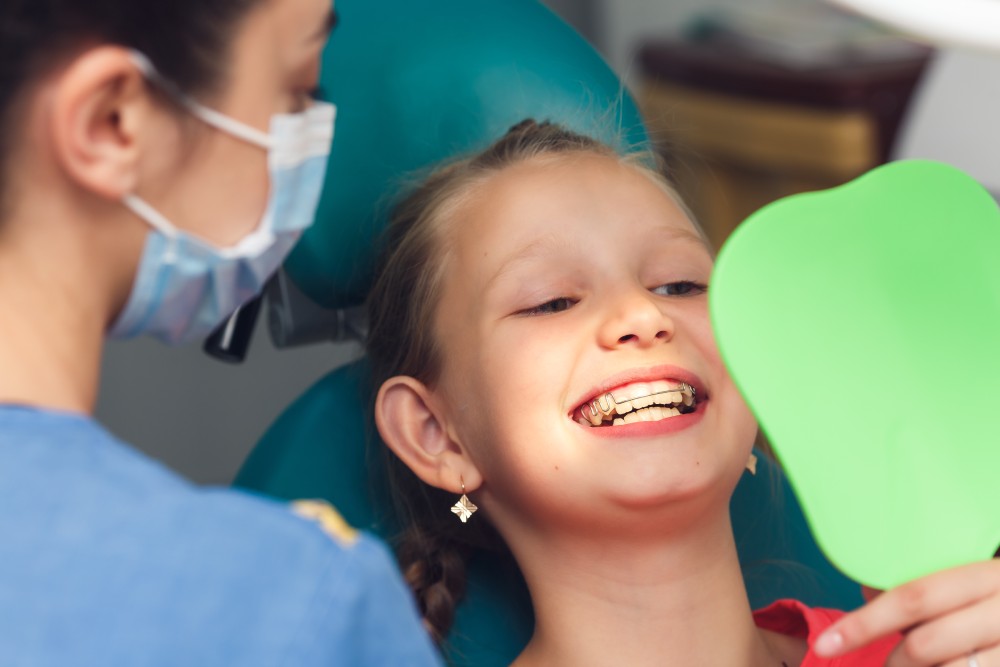
Phase 1, sometimes called early treatment or interceptive orthodontics, is orthodontic treatment done while a child still has a mix of baby teeth and permanent teeth, typically between ages 7 and 10.
The goal of phase 1 is not to straighten all the teeth. It’s to address specific problems that are better corrected at this developmental stage than later. These are problems involving jaw development, bite relationships, and growth patterns that respond to treatment differently in a growing child than they would in a teenager with a fully developed jaw.
The American Association of Orthodontists recommends that every child have an orthodontic evaluation by age 7 for exactly this reason. At that age, enough permanent teeth have erupted to evaluate what’s developing, and there’s still time to intervene during the most favorable growth window if something needs attention.
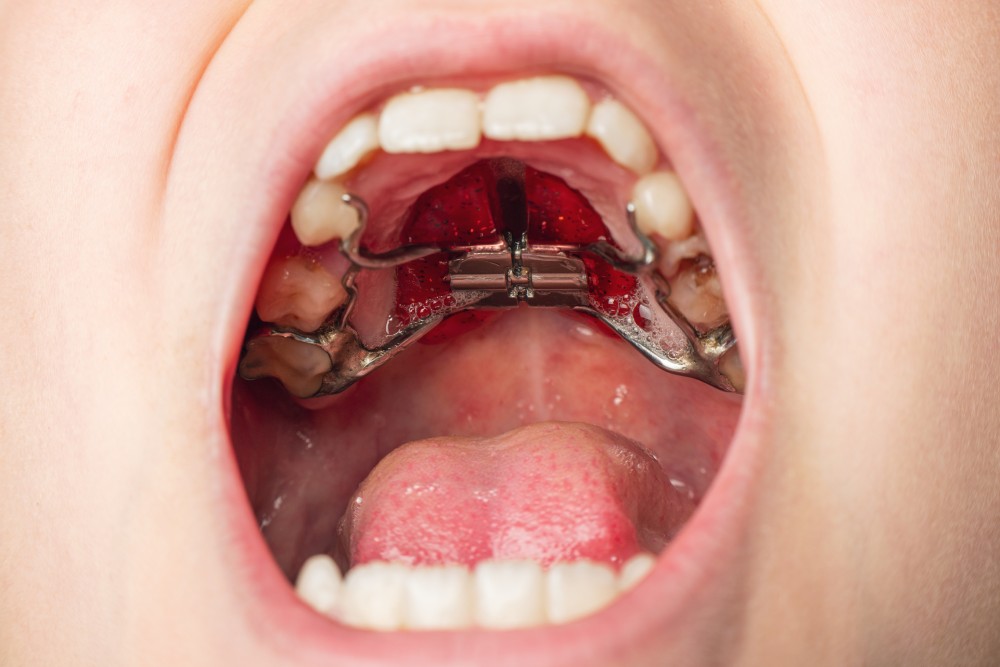
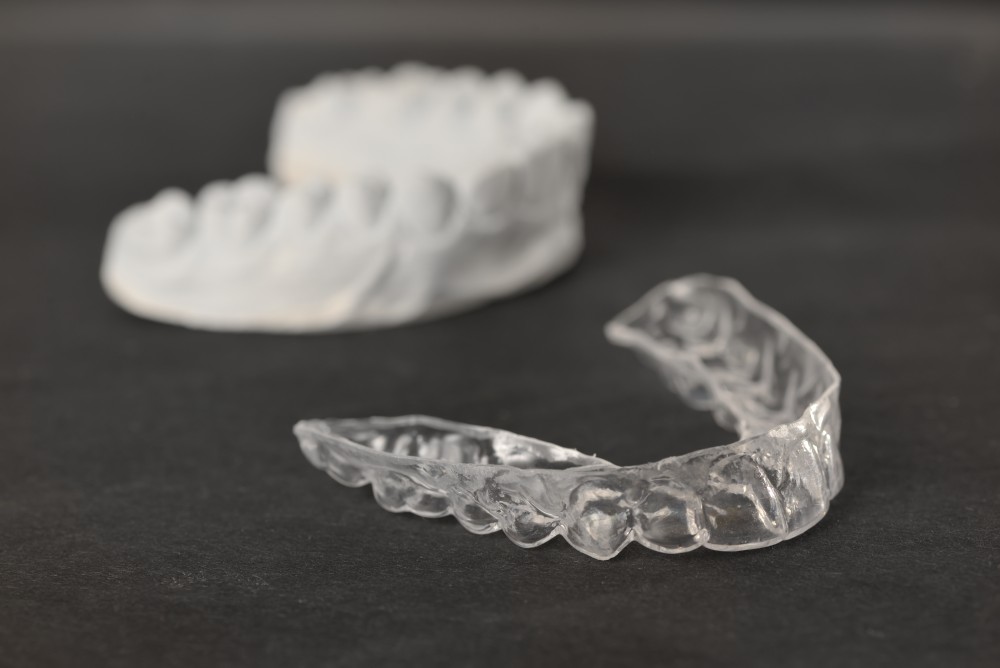
Phase 1 treatment might involve a palate expander, braces on select teeth, Invisalign first phase treatment, habit appliances, space maintainers, or a combination of these. The specific treatment depends entirely on what problem is being addressed.
What Problems Does Phase 1 Address?
Not everything warrants early treatment. The problems that genuinely benefit from phase 1 are the ones where waiting causes real harm or makes later treatment significantly more complicated.
Posterior crossbite with jaw shift. When the upper jaw is too narrow the upper back teeth bite inside the lower back teeth, and the jaw compensates by shifting to one side. Over time that shift causes asymmetric jaw growth. Catching this at 7 or 8 with a palate expander corrects the problem before the asymmetry becomes structural. At 12 or 13 it’s much harder to address. See our full post on palate expanders for detail on how this works.
Anterior crossbite. One or two upper front teeth biting behind the lower front teeth. This causes wear on the edges of those teeth and can lead to gum recession over time. A simple spring retainer or short phase of treatment corrects it easily at a young age. Left alone it causes cumulative damage.
Underbite from lower jaw growth. If the lower jaw is growing faster than the upper, early intervention can modify that growth pattern and reduce or eliminate the need for jaw surgery later. This window closes as the child approaches puberty.
Significant crowding with space loss. If baby teeth are lost early and space isn’t maintained, neighboring teeth drift and the permanent tooth loses its path to erupt properly. Sometimes a space maintainer under $1,000 prevents a tooth extraction years later.
Thumb, finger, or tongue habits. If a child is still actively sucking their thumb past age 7 or 8, the habit is affecting jaw development. An appliance that helps break the habit before age 9 often allows the dental effects to self-correct as the jaw grows. At 12 the same habit has caused structural changes that are much harder to reverse.
Social or confidence issues. Occasionally a child’s smile is affecting their confidence and quality of life well before the ideal age for full treatment. In those cases a limited phase of Invisalign or braces to align the visible front teeth can make a meaningful difference in a child’s day-to-day experience.
What Phase 1 Is Not
Phase 1 is not a full course of orthodontic treatment applied too early. It’s targeted intervention for a specific problem during the window when that intervention is most effective.
This distinction matters because there are orthodontic practices that recommend phase 1 treatment broadly when it isn’t clinically indicated. If someone tells you your child needs phase 1 without explaining specifically what problem they’re treating and why now is better than later, that warrants a second opinion. The recommendation should always come with a clear clinical reason.
At our practice, if your child comes in for an evaluation and doesn’t need treatment, I’ll tell you that and put them in our complimentary observation program. We check in periodically at no charge until the timing is right. There’s no pressure and no incentive to recommend treatment that isn’t needed.
The Resting Phase: Between Phase 1 and Phase 2
After phase 1 treatment is complete, there’s typically a period of monitoring before phase 2 begins. During this time the child grows, the remaining permanent teeth erupt, and we watch for anything that needs attention.
This phase can last anywhere from one to several years depending on the child’s development. The child isn’t in active treatment during this period but they’re still in our care. We schedule periodic check-ins to monitor tooth eruption, jaw growth, and whether any new issues are developing.
For families, this in-between phase can feel like limbo. It isn’t. It’s an intentional part of the plan. The phase 1 work is holding, the mouth is developing, and we’re waiting for the right moment to begin phase 2 when the most permanent teeth are in and full alignment is possible.
What Is Phase 2 Treatment?
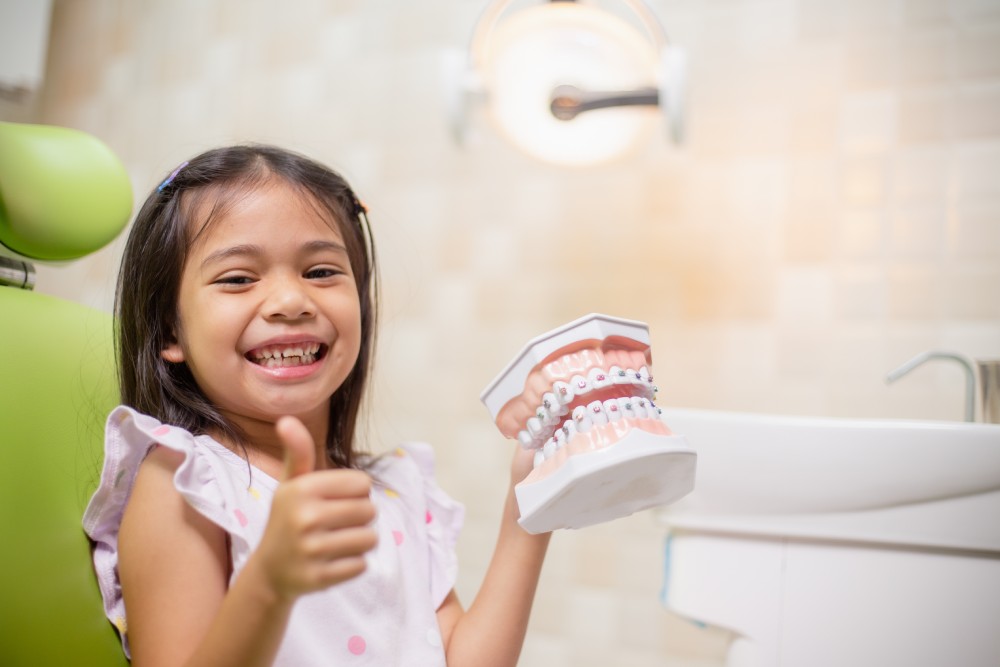
Phase 2 is comprehensive orthodontic treatment with braces or Invisalign, typically starting around ages 11 to 13 when most or all of the permanent teeth have erupted.
This is what most people think of as traditional orthodontic treatment. The goal is to align all the teeth, finish the bite correction, and create a smile that’s both functional and beautiful. Phase 2 builds on the foundation created in phase 1.
For children who went through phase 1, phase 2 is often shorter and less complex than it would have been without the early intervention. The jaw is the right width. The bite is starting from a better position. The crowding is less severe. Phase 2 can focus on finishing rather than correcting major structural problems at the same time as aligning the teeth.
For children who didn’t need phase 1, phase 2 is simply full orthodontic treatment that begins when the time is right.
Does My Child Definitely Need Braces After Phase 1?
This is one of the most common questions parents ask after completing phase 1. The honest answer is: probably, but not always, and we’ll tell you clearly either way.
Phase 1 addresses specific developmental problems. It doesn’t eliminate the need for comprehensive treatment in most cases, because there are still permanent teeth to align, bite relationships to refine, and aesthetic goals to achieve. But there are cases where phase 1 treatment is significant enough that the remaining work is minimal and a full phase 2 may not be necessary.
We evaluate this at the end of phase 1 and again during the monitoring period. We don’t commit you to phase 2 at the start of phase 1. When the time comes, we assess where things stand and give you an honest recommendation.
How I Actually Think About Phase 1
I want to be direct about something because I think it matters when you’re choosing an orthodontist for your child.
I am not the type of orthodontist who puts braces on every 7-year-old who walks through the door. When a child comes in for an early evaluation and doesn’t need treatment, I tell the family that, put the child in our complimentary observation program, and monitor their growth and development at no charge until the timing is right. Most kids who come in at 7 or 8 go straight into the observation program. That’s the correct answer for most of them.
This approach actually benefits the dentists and pediatric dentists who refer to us. When a dentist sends a young patient to me, they don’t have to perfectly time the referral to catch the ideal treatment window. They know I’ll watch the child, track the development, and call the right moment. It takes the pressure off them and it means the child gets seen at exactly the right time rather than being rushed into treatment too early or missing the window entirely.
What I’m watching for in those observation visits are the specific problems I’ve described in this post: crossbites causing jaw shift, underbites, habits past the critical age, space loss. If I see one of those developing, I’ll tell you clearly what I see, why I think we should act now rather than wait, and what the consequences of waiting are. If I don’t see anything that needs attention, I’ll tell you that just as clearly.
On confidence and social issues. Some parents bring a child in not because of a clinical emergency but because their child has stopped smiling. They cover their mouth in photos. They’re being teased. That’s a real problem even if the bite is manageable. If that child were mine, I would consider a limited phase of Invisalign First or braces on just the front permanent teeth to align what’s visible and give that kid their smile back. It’s not always necessary clinically, but it’s worth doing if it changes how a child experiences their daily life.
On safety. Upper front teeth that protrude significantly are at risk of chipping or getting knocked out during sports or rough play. The risk is small but it’s real, and if a child has already chipped or hit those teeth once, I take that more seriously. A phase 1 to retract those teeth back within the protection of the lips is a reasonable recommendation in those cases.
On treatment length. Most phase 1 cases are designed to be completed in a year or less. That’s intentional. Kids in treatment for too long get burned out. They stop cooperating, they stop wearing things consistently, and the experience becomes negative for everyone. Short, targeted, effective. That’s what phase 1 should be.
Cost of Two-Phase Treatment
Phase 1 treatment varies widely depending on what’s needed. A simple space maintainer or single appliance is on the lower end. A more comprehensive phase 1 case with an expander, braces, and additional appliances runs higher. We go over exact pricing at your free consultation so you know what you’re looking at before committing to anything.
Phase 2 follows our standard full treatment pricing. We offer a Phase 2 discount for patients who completed phase 1 with us, which applies directly to the phase 2 fee.
One thing worth knowing: a well-timed phase 1 can sometimes shorten or simplify phase 2, and in some cases a child who goes through phase 1 treatment doesn’t need a full phase 2 at all. The upfront investment in early treatment can reduce the overall investment in the long run.
Orthodontic insurance, when it includes orthodontic benefits, typically applies a lifetime maximum that can be used across both phases. We check your benefits at your first appointment and help you understand how to use your coverage most effectively. We offer 0% interest in-house financing for both phases spread over the length of each treatment. For a full breakdown of how costs and insurance work, see our post on how much braces cost in Pensacola.
A Two-Phase Case I Think About
Parents sometimes ask me whether phase 1 is really worth it or whether we could just wait and do everything at once. Fair question. Here’s a scenario that answers it better than I can with general explanations.
A child comes in at 7 with a posterior crossbite causing their jaw to shift to the left when they bite down. We expand with an RPE, correct the crossbite, and the jaw recenters. They go into our observation program, grow through the mixed dentition stage, and come back at 12 for phase 2 braces. Treatment takes 16 months. Bite is excellent. Smile is excellent.
Now imagine that same child at 12 with no phase 1. The jaw has been shifting for five years. The asymmetry has started to become structural. We can align the teeth with braces but the jaw shift is harder to correct, the facial asymmetry is more pronounced, and in some cases surgery becomes part of the conversation.
Same child. Very different outcome based on timing. That’s why phase 1 matters for the right cases.
Frequently Asked Questions
Does every child need two-phase orthodontic treatment? No. Most children are best served by a single comprehensive phase of treatment starting around ages 11 to 13 when the permanent teeth are in. Two-phase treatment is for the specific subset of problems that genuinely benefit from early intervention. We’ll tell you honestly at your child’s evaluation whether phase 1 is indicated.
What age does phase 1 treatment start? Typically between 7 and 10, depending on the problem being treated and when the relevant teeth have erupted. The AAO recommends a first evaluation at age 7 so we can identify any issues early enough to address them during the optimal window.
How long does phase 1 treatment take? It varies by case and appliance. A palate expander is worn for 9 to 18 months total including the retention phase. A limited phase of braces or Invisalign for specific teeth typically runs 6 to 12 months. We give you a realistic timeline at the start of treatment.
Will my child definitely need braces after phase 1? Probably, but not necessarily a full course. We evaluate at the end of phase 1 and during the monitoring period and give you an honest recommendation when the time comes. We offer a phase 2 discount for patients who completed phase 1 with us.
What’s the difference between phase 1 and early treatment? They mean the same thing. Phase 1, early treatment, and interceptive orthodontics are all terms for orthodontic treatment done before all the permanent teeth have erupted, targeting specific developmental problems during the optimal growth window.
Can we skip phase 1 and just do full treatment later? For most problems, yes. For specific issues like significant crossbites with jaw shift, underbites with lower jaw growth, and thumb habits, waiting means missing a window where the treatment is more effective and the outcome is better. We’ll tell you clearly which category your child’s situation falls into.
Does insurance cover phase 1 treatment? Many dental insurance plans with orthodontic benefits cover phase 1 as part of the lifetime maximum. Some plans cover it separately. We run a complimentary benefits check at your first appointment to clarify exactly what your plan covers.
What happens during the monitoring phase between phase 1 and phase 2? We schedule periodic check-ins to monitor tooth eruption, jaw development, and anything that needs attention. These visits are at no additional charge. We’re watching for the right time to begin phase 2 and making sure nothing new develops that needs attention.
Schedule your child’s free orthodontic evaluation at Sims Orthodontics
Pensacola, Gulf Breeze, and Crestview. No referral needed. Evaluations start at age 7.
Sims Orthodontics serves families from Pensacola, Gulf Breeze, Crestview, Navarre, Pace, Milton, and across Northwest Florida.