People sometimes ask me what a typical day looks like. The honest answer is that no two days are identical, but there’s a rhythm to it that I’ve come to genuinely love after 15 years of practice in Pensacola.
I grew up in Gulf Breeze, went to Gulf Breeze High, and now I treat the kids of people I went to school with. My dad was an engineer and I inherited his love of technical problem-solving. Orthodontics turned out to be the perfect intersection of that and something more meaningful. The chance to change how people feel about themselves, one smile at a time. After all these years it still doesn’t feel like work most days.
Here’s what a typical day actually looks like.
7:45 AM: Morning Huddle
Before the first patient arrives, the whole team gathers for our morning huddle. We go over the schedule, talk through any patients who need special attention, note any birthdays coming up, and discuss what’s happening in the practice and community. If we’re in the middle of our Teacher Wish List program, we might talk about nominations. If there’s a team event coming up, we cover it here.
This is also where we flag anything that could affect the flow of the day. A patient getting their braces on for the first time, a deband, a new patient exam, anything that takes more time or more preparation. I want my team walking into the day knowing exactly what to expect and feeling good about it.
The culture in that morning huddle is something I’m genuinely proud of. My team is not burned out. They’re engaged and they care about the patients they’re about to see. You can feel that when you walk into our office and I think patients feel it too.
8:00 AM: The Clinical Floor
We have eight clinical chairs arranged in a circle at our Pensacola office. On a typical day we’re running five of them, with the others available for overflow, same-day starts, and Invisalign digital scans. It’s an open floor plan and it creates an energy that a row of closed rooms doesn’t have. Patients can see other patients, the team is moving and engaged, there’s music and conversation. It feels less like a medical office and more like somewhere people actually want to be.
Our Crestview office is a completely different feel. It’s a converted house and honestly it works beautifully for that community. Each patient has their own room, it’s a little more private and intimate, and our Crestview patients seem to genuinely love the character of it. Two very different spaces, same standard of care at both.
Worth mentioning for anyone in the Crestview area: we’re currently the only owner-doctor orthodontic practice in Crestview. The other options in town are corporate owned or operated by a dentist rather than a board-certified orthodontist. For a treatment relationship that lasts one to two years, that difference matters.
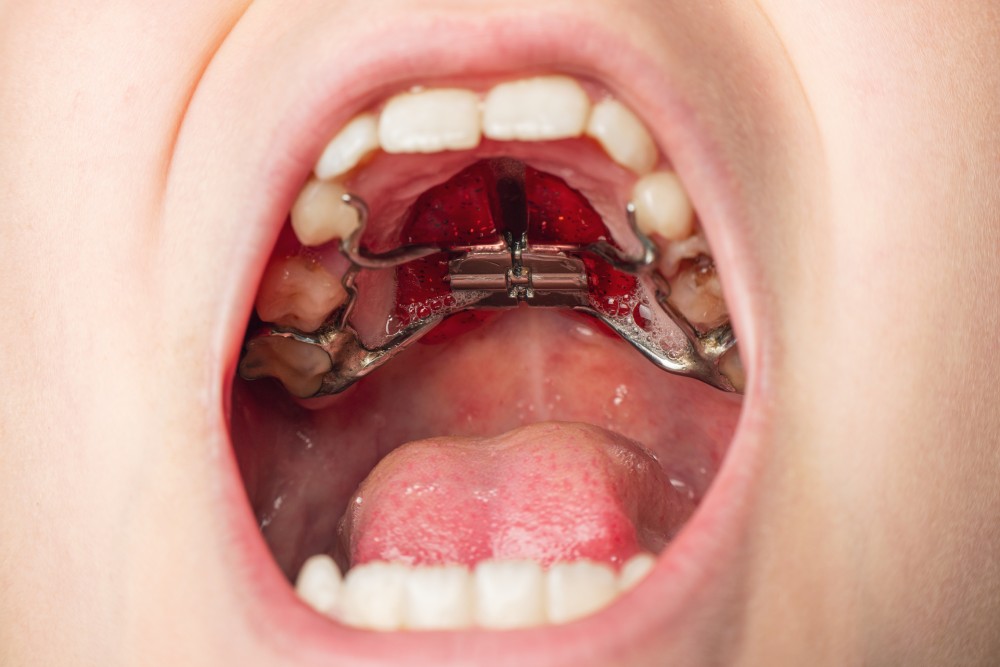
Morning appointments are usually the longer ones. Placing braces, removing braces, delivering appliances like expanders or Forsus springs, new patient exams. These take more time and more focus so we reserve the morning for them when the team is fresh and the schedule hasn’t had a chance to run behind yet.
I move between the chairs based on what’s needed. Sometimes I’m at a chair for two minutes doing a quick wire check and adjusting the treatment plan. Sometimes I’m there for ten or fifteen minutes on something more involved. My team handles a lot of the hands-on work, changing colors, doing wire adjustments, taking Invisalign digital scans, while I oversee, evaluate, and direct the treatment plan for each patient.
Every patient, every appointment, I personally look in their mouth. I review where they are in treatment, decide what needs to happen next, and make sure everything is on track. That’s not something I delegate. That’s the whole job.
New Patient Exams
New patient consultations happen in private rooms off the main floor. We reserve about an hour for these. My treatment coordinators take photos, digital X-rays, and have a real conversation with the patient and family about what brings them in, what they’re hoping for, and what concerns they have. Cost, time, fear, whatever it is.
Then I come in, do a full clinical examination of the teeth, bite, and jaw, and walk through what I see and what I recommend. If the patient needs treatment we go over the options. If they’re not ready yet I explain why and put them in our observation program. No pressure either way.
I do every new patient exam myself. Every single one. For more on what that first visit looks like from the patient’s perspective, see our post on what to expect at your first orthodontist appointment.
12:00 PM: Lunch
Lunch is usually from noon to one. Most days I bring my own food and eat with the team. Other days I’m meeting with a dentist from Pensacola, Gulf Breeze, or Crestview, either at a restaurant or at their office.
Those lunch visits to dental offices are something I do regularly. I provide continuing education for dentists and hygienists on early treatment orthodontics, what to look for in a 7-year-old, when to refer and why. It’s genuinely useful for their teams and it keeps me connected to the referring doctors who send us patients. Most dentists appreciate it because early orthodontics is undertaught in dental school and I can help fill that gap.
1:00 PM: The Afternoon Rush
After lunch the pace picks up. Kids are out of school and the afternoon is packed with shorter appointments: wire changes, color changes, Invisalign tray checks, retainer checks. We move quickly and see a lot of patients. On a full day across all three locations I’ll see between 70 and 80 patients.
One of the things I’m proud of is how well we manage that volume without sacrificing the experience. About 95% of the time we see patients within five minutes of their scheduled appointment. That’s not typical in healthcare. It’s something my team works hard to maintain and our patients notice it.
The afternoon has a different energy than the morning. It’s busier and faster but there’s a good rhythm to it when the schedule is running well. I’m focused, the team is in sync, and we’re moving. When it’s going well it’s genuinely fun.
The days that get stressful are the ones with unexpected breakages or patients running late. A broken bracket takes unscheduled time. A patient who shows up 20 minutes late shifts everything downstream. We handle it but it’s the part of the day that takes the most grace from the whole team.
5:00 PM: The Work That Patients Don’t See
When the last patient leaves, most people assume I’m done for the day. I’m not.
There’s a whole layer of clinical and administrative work that happens after hours that patients never see. Here’s what that actually looks like.
ClinCheck reviews. Every Invisalign case starts with a digital scan of the patient’s teeth. That scan gets processed and I receive a digital simulation showing the proposed tooth movements. I go through each case on the computer, adjusting the movements, fine-tuning the bite correction, making sure everything is clinically precise before I approve it. I’ve worked with the same Invisalign technician for years because consistency matters in how those cases get set up. This work happens in between patients during the day, at lunch, after hours, and sometimes on weekends. It’s part of the job that patients never see but it directly determines how well their Invisalign treatment works.
Letters and referrals. After every new patient exam I write a letter to their referring dentist summarizing my findings and recommendations. It closes the loop on the referral relationship and keeps the dentist informed about their patient. I also write referrals to oral surgeons for third molar extractions and canine exposures when those are part of the treatment plan.
Scheduling. Managing three offices means managing three distinct schedules and making sure we have enough clinical days in each location to serve all our patients without unreasonable wait times.
The Schulman Study Club. I’m a board member of the Schulman Study Club, a national group of high-level orthodontists who own their own practices and share research, clinical techniques, and business best practices. Being part of that group keeps me at the front of what’s happening in the profession. Planning events and contributing to that community is work I do in the evenings and it makes me a better clinician.
What Keeps Me Going
I’ve been doing this for 15 years and I still look forward to coming to work. That’s not something everyone can say and I don’t take it for granted.
Part of it is the team. I have people on my staff who have been with me for years. They know the patients by name. They ask about the soccer tournament, the college application, the new job. Patients feel that. It’s not something you can manufacture.
Part of it is the work itself. Orthodontics is technically demanding in a way that keeps it interesting. No two mouths are the same. Every case has its own clinical puzzle. The engineering part of my brain that I inherited from my dad gets engaged every day.
And part of it is the moments. The 12-year-old who comes in barely smiling, covers her mouth when she laughs, and then six months into treatment starts showing up differently. More confident. More herself. Or the 45-year-old man who cried when we took his braces off because he’d wanted to fix his smile his whole adult life and couldn’t believe it was finally done.
Those moments don’t get old. They’re why I took over this practice from Dr. Trawick, who spent 40 years in the same location before me, and they’re why I plan to keep doing this for a long time.
A Few Things About Me Outside the Office
I grew up fishing and still get out on the water whenever I can. I play beach volleyball, snowboard when I get the chance, and cook at home more than most people expect from someone with a schedule like mine. I’m an Auburn fan, which creates some interesting conversations in the office during football season.
I’m also an author. I wrote a book called Max Weldon Sims: Legacy and Stories about my grandfather, who is 98 years old and a Korean War veteran. He was studying pharmacy at Auburn when he was called up to serve in the chemical corps. His story and the story of his father, a doctor in rural Alabama in the early 1900s, is one I felt compelled to put down on paper. It’s available on Amazon if you’re curious.
My stepson Preston has Prader-Willi syndrome and that experience has shaped how I approach patients with complex needs and special circumstances. It’s personal in a way that shows up in the office whether I talk about it or not.
Why I Practice Here
I could have gone anywhere after residency. I came back to Gulf Breeze because this is home. My patients are my neighbors. Their kids go to school with kids I grew up with. When I sponsor a youth sports team or run our Teacher Wish List program or show up at a Gulf Breeze High event, it’s not marketing. It’s just being part of a community I genuinely care about.
Sims Orthodontics has been named Best Orthodontist in Pensacola by Best of the Bay readers and VIP Magazine consistently since 2013, winning or finishing as a top finalist almost every single year. That recognition means a lot to me because those are votes from patients, not judges. It tells me the work we’re doing and the experience we’re creating is resonating with real people in this community.
That’s what I’m working toward every day, from the morning huddle at 7:45 to the ClinCheck review late on a Tuesday night.
Frequently Asked Questions
How many patients does Dr. Sims see per day? On a full clinical day across our locations, typically 70 to 80 patients. Morning appointments tend to be longer procedures like bonding and debanding. Afternoon appointments are quicker adjustments and check-ins.
Does Dr. Sims see patients at all three locations? Yes. I personally treat patients at our Pensacola, Gulf Breeze, and Crestview offices. My team travels with me and every patient’s records are current at every location through our practice management system.
Is Dr. Sims board certified? Yes. I’m certified by the American Board of Orthodontics, a designation held by only about one in three orthodontists. It requires a comprehensive examination process beyond completing a residency program.
What is the Schulman Study Club? The Schulman Study Club is a national organization of practice-owning orthodontists focused on clinical excellence, research, and professional development. I serve on the board. Being part of that group keeps me connected to what’s happening at the highest levels of the profession.
How long has Dr. Sims been practicing in Pensacola? I’ve been practicing here since 2011. I took over from Dr. Trawick, who practiced at the same Pensacola location for 40 years before me. Between Dr. Trawick’s tenure and mine, this practice has been serving Northwest Florida families for over 50 years.
How do I schedule a consultation with Dr. Sims? Call or book online at any of our three locations. No referral needed. You’ll meet me personally at your first appointment.
Book your free consultation at Sims Orthodontics
Pensacola. Gulf Breeze. Crestview. No referral needed.
Sims Orthodontics serves families from Pensacola, Gulf Breeze, Crestview, Navarre, Pace, Milton, and across Northwest Florida.